In 17 months, Sydney Uni’s Kyü’s Freya Berkhoüt and Alyx Dennïson have performed their first live show, recorded their first tracks, paired up with fantastic band Parades, and even released their first album. It’s been nothing short of an absolute whirlwind for the quiet, unassuming duo. With the self-titled Kyü, the pair have asserted their unique sound on Sydney, and started critics’ heads nodding over the city.
One part acoustic tribal drums, two parts clever vocal harmonies, one part soundtrack to the Lion King. It’s been said before, but it’s worth saying again – what Kyü creates is more auditory art than pop music. Pure vocal harmonies seep in and out of acoustic rolling drums. Pianos, synths and even a guitar provide a subtle backing track, but always play second fiddle to Alyx and Freya themselves. Lyrics change between prayer-like chants (check out ‘Koi’) and repeating phrases. Every track has a great mix of melodies, harmonies, and vocal power.
Vocal instrumentation, it’s fair to say, plays the leading role in the pair’s debut. Still, if you've had a chance to see Kyü live, it's clear that the duo is just as talented with a glockenspiel and set of drums. Watching them perform ‘Sunny in Splodges’ at O-Week this year was a visual treat. Their timid demeanor transformed into one powerful overcoming voice as soon as the music started rolling. Attacking the one drum in sync as the track hits its peak, there’s no shortage of energy on stage.
The only downfall of this album may be that the energy felt in live shows doesn’t come through a set of speakers in the same way. Although, the same could be said of any band in the country.
As a powerful musical soundscape, this smart album can hardly be faulted. Kyü is a smart album that’s come quickly to Berkhoüt and Dennïson, exploded them onto Sydney's live scene just as fast.
Monday, July 11, 2011

The Gate 2nd July
Last week, the crew at The Gate did it best to warm up cold Saturday night out in the suburbs at Pablo & Rusty’s Café in Epping with a delightful selection of up and coming producers and song-makers performing for the packed room.
It was a night of the one-man band Saturday, with Tim Fitz kicking off a night of synths, beats and loops in the Epping café. The north-western Sydney local redefines the meaning of ‘control-freak,’ using percussion, guitar, keys, and vocals simultaneously to create his multi-layered electronic sound. Everything is performed live, with the help of a loop-machine, showing just how far impeccable timing and internal rhythm can be stretched at the hands of someone so talented.
There’s a somewhat existential or over-thought thread running through a lot of Tim Fitz’ lyrics (though not at all in a bad way). I can’t help being reminded of the honesty in the low-fi bit-pop of Art Rush, another resident of the area and a peer of Fitz’ age. Maybe it’s something to do with growing up in an area of Sydney that finds itself lost, with an identity that’s much harder to define than others. Seen especially in the track ‘Disposable Youth’, it might something about the quietness, and the distance from a tangible youth culture. Maybe it’s this reviewer who is, in turn, over thinking something inherent to all youth. In any case, the lyrics are well placed, and hit home with the delivery of a voice that can be both thin and breathy or punchy and energetic, when needed to be. It’s hard to go past the sheer technical mastery and creativity seen in ‘Faust’ (which, by the way, is based on Christopher Marlowe’s 1604 play Doctor Faustus).
With a somewhat thinned out crowd, the 20-year-old Elizabeth Rose took to the tiny coffeehouse stage. The second act of the night young enough to make this reviewer feel like he has achieved nothing with his life, Rose is a singer-come-beatmaker whose synth-pad and laptop are used to make driving, engaging electro-pop. Obvious comparisons have been made to Bat for Lashes and (of course) Bjork. The 20 year-old could best be described as the rebellious lovechild of Seekae and Kyu – especially in ‘Blue’, where Rose tempered a driving synth bassline with a gentle keyboard melody floating as if underwater, crowned with a voice to rival the best soprano songstresses.
The Townhouses is the brainchild of Leigh Hannah, an ambiguously named solo project that fuses the beats of Elizabeth Rose with the guitar use of Tim Fitz. Hannah, who played to a crowd not large enough to justify his talent, creates beautiful ethnically flavoured electronic ambient pop, drawing especially from African and Caribbean sounds. The standout feature of The Townhouses is Hannah’s exquisite vocals, drifting wistfully above his melodies, wonderful in its natural high pitch. The blissfully ambient soundscapes of the likes of ‘Indian Elephant’ were an exquisite way to end the evening.
So while a trip to Epping might not be what everyone wants from a cold Saturday night, the warmth of the welcome and the quality of the destination is worth it. The café’s coffee machine in full swing certainly doesn’t hurt either.
It was a night of the one-man band Saturday, with Tim Fitz kicking off a night of synths, beats and loops in the Epping café. The north-western Sydney local redefines the meaning of ‘control-freak,’ using percussion, guitar, keys, and vocals simultaneously to create his multi-layered electronic sound. Everything is performed live, with the help of a loop-machine, showing just how far impeccable timing and internal rhythm can be stretched at the hands of someone so talented.
There’s a somewhat existential or over-thought thread running through a lot of Tim Fitz’ lyrics (though not at all in a bad way). I can’t help being reminded of the honesty in the low-fi bit-pop of Art Rush, another resident of the area and a peer of Fitz’ age. Maybe it’s something to do with growing up in an area of Sydney that finds itself lost, with an identity that’s much harder to define than others. Seen especially in the track ‘Disposable Youth’, it might something about the quietness, and the distance from a tangible youth culture. Maybe it’s this reviewer who is, in turn, over thinking something inherent to all youth. In any case, the lyrics are well placed, and hit home with the delivery of a voice that can be both thin and breathy or punchy and energetic, when needed to be. It’s hard to go past the sheer technical mastery and creativity seen in ‘Faust’ (which, by the way, is based on Christopher Marlowe’s 1604 play Doctor Faustus).
With a somewhat thinned out crowd, the 20-year-old Elizabeth Rose took to the tiny coffeehouse stage. The second act of the night young enough to make this reviewer feel like he has achieved nothing with his life, Rose is a singer-come-beatmaker whose synth-pad and laptop are used to make driving, engaging electro-pop. Obvious comparisons have been made to Bat for Lashes and (of course) Bjork. The 20 year-old could best be described as the rebellious lovechild of Seekae and Kyu – especially in ‘Blue’, where Rose tempered a driving synth bassline with a gentle keyboard melody floating as if underwater, crowned with a voice to rival the best soprano songstresses.
The Townhouses is the brainchild of Leigh Hannah, an ambiguously named solo project that fuses the beats of Elizabeth Rose with the guitar use of Tim Fitz. Hannah, who played to a crowd not large enough to justify his talent, creates beautiful ethnically flavoured electronic ambient pop, drawing especially from African and Caribbean sounds. The standout feature of The Townhouses is Hannah’s exquisite vocals, drifting wistfully above his melodies, wonderful in its natural high pitch. The blissfully ambient soundscapes of the likes of ‘Indian Elephant’ were an exquisite way to end the evening.
So while a trip to Epping might not be what everyone wants from a cold Saturday night, the warmth of the welcome and the quality of the destination is worth it. The café’s coffee machine in full swing certainly doesn’t hurt either.
A Journey to the Brink With Hunter S. Thompson... (Ext 2 english excerpt)
“The Edge… there is no honest way to explain it because the only people who really know where it is, are the ones who have gone over.” When the pages of the first volume (fourth edition) of the obscure sports magazine Scanlan’s Monthly hit the shelves in June 1970, no journalist got closer to the edge than Hunter S. Thompson.
Hunter Thompson’s unique brand of participatory journalism displayed in ‘The Kentucky Derby is Decadent and Depraved’ (1970) insidiously worked to undermine the very ideals of journalistic integrity. Sitting in one of downtown California’s ubiquitous Starbucks (sipping a grande-sized caramel frappe with extra whipped cream and a hazelnut shot), a copy of Thompson’s article sits unassumingly on the table in front of me, belying the sordid scenes which Thompson is about to reveal. But hesitance is no way to approach Hunter S. Thompson. And so in I jump – head first; no safety rope.
From the opening words of ‘The Kentucky Derby is Decadent and Depraved,’ the character of Hunter S. leaps out immediately, yelling Wolfe’s directive in my ear – Hey! Stick around! It’s clear that Thompson got the memo on rejecting the ‘Five-W’s. He’s not asking questions of who, what, or when. Rather, he writes a narrative; telling how this weekend begins with a young reporter’s assignment to observe the race of the Kentucky Derby, and ends with his descent into critique of (and even eager participation in) a squalid culture of obnoxious punters, repugnant enthusiasts and fanatical depravity.
I’m never left alone in this crazy world of redneck Kentuckians; I’m there with Thompson, pillion passenger on this wild ride. There’s no hushed or anonymous reporter retelling an uninspired story. Rather, Thompson’s right here; “fit[ting] a Marlboro into [his] cigarette holder” and “twirling the ice in [his] drink.” To Talese’s fly-on-the-wall, Thompson is the fly-in-the-ointment. We don’t get the unbiased, detached ideal of the journalist. But then again, modern readers “don’t want to rely on a god-like figure from above to tell them what’s important.” Instead we get Thompson – who he is, what he sees, and what he believes. Impartial? Hardly. He’s placed himself right there in the story; discerning the truth is now up to us. It’s not a sports article that’s being written here, it’s something much more insightful, much more sinister. In a single stroke, he shines the piercing light of social commentary across all of America whilst rejecting the voice of traditional journalism. Thompson-as-social-commentator has such a judgemental tone that he clearly wants me to learn something; but not about the Kentucky Derby, about the spectators themselves – about the “doomed atavistic culture” of 1970s Western America.
Thompson’s self-styled break-away form of “Gonzo journalism” has no qualms about using coarse, foul-mouthed slang in his writing (“faggot,” “goddam,” “shit,” and worse!); maybe this disregard for social niceties was what gave his work the definite edge. Misspellings of “nite” are followed by contracted, fragmented sentences (“Drinking heavily, into the Haig & Haig” ). It’s all stream of consciousness here; all very new, all very different – and so very immediate. The reporter’s debaucherous depravity is matched in kind with scathing criticisms of “too much inbreeding in a closed and ignorant culture.” In a drunken stupor, Thompson’s first-person dialogue gives us his real social commentary of stereotypes – of “kids,” “teenyboppers,” “black dudes in white felt hats,” and even a “scumsucking foreign geek.”
Looking out of the clear full-length window, I imagine Thompson, back in 1970, sitting in my position. Not in a sterile Starbucks but camped in the corner of a dingy Kentucky diner, scribbling away in his whiskey-stained notepad, a dishevelled cigarette hanging from his mouth. As I crumple my empty cup into the waiting bin, drop a few coins on the glass counter and prepare to head home, I can’t help but think that Thompson’s depravity would just not have been stomached in this disinfected modern world.
Hunter Thompson’s unique brand of participatory journalism displayed in ‘The Kentucky Derby is Decadent and Depraved’ (1970) insidiously worked to undermine the very ideals of journalistic integrity. Sitting in one of downtown California’s ubiquitous Starbucks (sipping a grande-sized caramel frappe with extra whipped cream and a hazelnut shot), a copy of Thompson’s article sits unassumingly on the table in front of me, belying the sordid scenes which Thompson is about to reveal. But hesitance is no way to approach Hunter S. Thompson. And so in I jump – head first; no safety rope.
From the opening words of ‘The Kentucky Derby is Decadent and Depraved,’ the character of Hunter S. leaps out immediately, yelling Wolfe’s directive in my ear – Hey! Stick around! It’s clear that Thompson got the memo on rejecting the ‘Five-W’s. He’s not asking questions of who, what, or when. Rather, he writes a narrative; telling how this weekend begins with a young reporter’s assignment to observe the race of the Kentucky Derby, and ends with his descent into critique of (and even eager participation in) a squalid culture of obnoxious punters, repugnant enthusiasts and fanatical depravity.
I’m never left alone in this crazy world of redneck Kentuckians; I’m there with Thompson, pillion passenger on this wild ride. There’s no hushed or anonymous reporter retelling an uninspired story. Rather, Thompson’s right here; “fit[ting] a Marlboro into [his] cigarette holder” and “twirling the ice in [his] drink.” To Talese’s fly-on-the-wall, Thompson is the fly-in-the-ointment. We don’t get the unbiased, detached ideal of the journalist. But then again, modern readers “don’t want to rely on a god-like figure from above to tell them what’s important.” Instead we get Thompson – who he is, what he sees, and what he believes. Impartial? Hardly. He’s placed himself right there in the story; discerning the truth is now up to us. It’s not a sports article that’s being written here, it’s something much more insightful, much more sinister. In a single stroke, he shines the piercing light of social commentary across all of America whilst rejecting the voice of traditional journalism. Thompson-as-social-commentator has such a judgemental tone that he clearly wants me to learn something; but not about the Kentucky Derby, about the spectators themselves – about the “doomed atavistic culture” of 1970s Western America.
Thompson’s self-styled break-away form of “Gonzo journalism” has no qualms about using coarse, foul-mouthed slang in his writing (“faggot,” “goddam,” “shit,” and worse!); maybe this disregard for social niceties was what gave his work the definite edge. Misspellings of “nite” are followed by contracted, fragmented sentences (“Drinking heavily, into the Haig & Haig” ). It’s all stream of consciousness here; all very new, all very different – and so very immediate. The reporter’s debaucherous depravity is matched in kind with scathing criticisms of “too much inbreeding in a closed and ignorant culture.” In a drunken stupor, Thompson’s first-person dialogue gives us his real social commentary of stereotypes – of “kids,” “teenyboppers,” “black dudes in white felt hats,” and even a “scumsucking foreign geek.”
Looking out of the clear full-length window, I imagine Thompson, back in 1970, sitting in my position. Not in a sterile Starbucks but camped in the corner of a dingy Kentucky diner, scribbling away in his whiskey-stained notepad, a dishevelled cigarette hanging from his mouth. As I crumple my empty cup into the waiting bin, drop a few coins on the glass counter and prepare to head home, I can’t help but think that Thompson’s depravity would just not have been stomached in this disinfected modern world.
A Torn Paper Ticket to the World (Happenstance)
Anna-Wili Highfield is a Sydney-based sculptor who constructs animals out of torn paper and copper pipe and. On the eve of her first international show, she had a chat with James O’Doherty about life, her art, and the importance of our most personal space – the bedroom.
Look at a snapshot of Anna-Wili Highfield’s bedroom, and you’d be forgiven for thinking that it was a scene straight from the 1950s. Worn edges, dark woods, fading paint and sparse furnishings all occupy the small space. A vase of faded gardenias sits on the bedside table. In fact, it’s only the flashing of a small digital clock that brings her bedroom into the present, the date reminding Highfield of her impending exhibition in New York’s Rockefeller Centre.
The space is bare, but decidedly so – she’s always believed that in a bedroom, nothing should be too distracting from sleep. Even so, it still has its beauty. ”I love the idea that everything you can see is either aesthetically pleasing and practical, or just art,” says Highfield. From the rough edges of her wardrobe to the weathered boots tucked away on the floor, everything has its own character.
Her rough and ready approach transcends into art. “I wouldn’t really call my work that delicate... when I’m making it I’m not really that gentle with it. I kind of push it and pull it and turn it upside down,” she says. “Sometimes I’ll prick my finger, there’ll be a bit of blood, and I’ll just leave it... everything’s a story of how something’s made,” she adds with a laugh. Admittedly “slapdash,” she will barely cut the loose threads that remain after sewing her works together: “I don’t like things to be too defined... I’m a figurative artist. I like to make an impression of something.”
The 29-year-old admits that her room has remained similar since her days as a teen, but with a difference: she no longer creates art in her home. “I guess things like my bedroom and my house are really important to me the way I’ve set them up... because I’m here with a little girl.”
Taking us to her tiny Stanmore studio, Highfield dances around the clutter, managing to find order in even the most claustrophobic of spaces. Despite hertight confines, she still manages to instil a “freedom, integrity and beauty” in her works. Owls, eagles and horses transcend their material confines – “I like the idea of having a bit of the character in it without it being too literal.” She also likes the idea of a strong material, “that will spring back at you and resist sometimes.” This resistance gives her animals an energetic beauty, rigidly defiant of being caged or mounted on a wall.
The studio – filled with Highfield’s copper and paper menagerie – is shared with her husband, Simon Cavanough. As she explains, his work sharesparallels with her own. “I think that’s so funny, because it’s so boy and girl, the way we make our art,” she says. “There’s a common aesthetic... we’ve got the same preoccupations, but in a very gendered way.”
Later, at a small council-run show of local works, both Anna-Wili and Cavanough relax as their toddler runs amuck on lawn-bowl greens. The family affair is a way for the council to justify their investment in local art, and is a far cry from Sydney’s international art scene – and Paddington’s Bianca Spender boutique where a huge copper horse of Highfield resides.
As a nervous Anna-Wili prepares to fly out to New York, she confides that it’s not her normal locale. “It just isn't really how I would exhibit if it wasn't an obligatory part of having the studio,” she says.Admittedly, it will be “heart-wrenchingly weird” to leave her daughter, her husband, and the “fun and friendly” atmosphere of the local show behind – but the excitement of her imminent exhibition at Anthropologie is palpable.
It’s a few months later, and back in Australia, Anna-Wili is glowing with the same humble smile. “New York was great, it’s a thrilling city,” she says. “The show was in a concept gallery... They filmed it for TV for a show called Man Shops Globe, on the Sundance channel.”
Her trip changed everything, but still kept her the same. “I have been inundated by commissions from people all over the states, it’s great. At the moment I'm working through a year long waiting list for sculptures,” she says. “It’s getting big,” she admits. But “it's only me and my hands and the time I have.”
It’s still one artist, her hands, and a chaotic shared studio, releasing beautiful, enigmatic animals into the wild. After all the international hype, Highfield still takes things in her humble stride. Although, as she admits, “it’s pretty cool.”
Look at a snapshot of Anna-Wili Highfield’s bedroom, and you’d be forgiven for thinking that it was a scene straight from the 1950s. Worn edges, dark woods, fading paint and sparse furnishings all occupy the small space. A vase of faded gardenias sits on the bedside table. In fact, it’s only the flashing of a small digital clock that brings her bedroom into the present, the date reminding Highfield of her impending exhibition in New York’s Rockefeller Centre.
The space is bare, but decidedly so – she’s always believed that in a bedroom, nothing should be too distracting from sleep. Even so, it still has its beauty. ”I love the idea that everything you can see is either aesthetically pleasing and practical, or just art,” says Highfield. From the rough edges of her wardrobe to the weathered boots tucked away on the floor, everything has its own character.
Her rough and ready approach transcends into art. “I wouldn’t really call my work that delicate... when I’m making it I’m not really that gentle with it. I kind of push it and pull it and turn it upside down,” she says. “Sometimes I’ll prick my finger, there’ll be a bit of blood, and I’ll just leave it... everything’s a story of how something’s made,” she adds with a laugh. Admittedly “slapdash,” she will barely cut the loose threads that remain after sewing her works together: “I don’t like things to be too defined... I’m a figurative artist. I like to make an impression of something.”
The 29-year-old admits that her room has remained similar since her days as a teen, but with a difference: she no longer creates art in her home. “I guess things like my bedroom and my house are really important to me the way I’ve set them up... because I’m here with a little girl.”
Taking us to her tiny Stanmore studio, Highfield dances around the clutter, managing to find order in even the most claustrophobic of spaces. Despite hertight confines, she still manages to instil a “freedom, integrity and beauty” in her works. Owls, eagles and horses transcend their material confines – “I like the idea of having a bit of the character in it without it being too literal.” She also likes the idea of a strong material, “that will spring back at you and resist sometimes.” This resistance gives her animals an energetic beauty, rigidly defiant of being caged or mounted on a wall.
The studio – filled with Highfield’s copper and paper menagerie – is shared with her husband, Simon Cavanough. As she explains, his work sharesparallels with her own. “I think that’s so funny, because it’s so boy and girl, the way we make our art,” she says. “There’s a common aesthetic... we’ve got the same preoccupations, but in a very gendered way.”
Later, at a small council-run show of local works, both Anna-Wili and Cavanough relax as their toddler runs amuck on lawn-bowl greens. The family affair is a way for the council to justify their investment in local art, and is a far cry from Sydney’s international art scene – and Paddington’s Bianca Spender boutique where a huge copper horse of Highfield resides.
As a nervous Anna-Wili prepares to fly out to New York, she confides that it’s not her normal locale. “It just isn't really how I would exhibit if it wasn't an obligatory part of having the studio,” she says.Admittedly, it will be “heart-wrenchingly weird” to leave her daughter, her husband, and the “fun and friendly” atmosphere of the local show behind – but the excitement of her imminent exhibition at Anthropologie is palpable.
It’s a few months later, and back in Australia, Anna-Wili is glowing with the same humble smile. “New York was great, it’s a thrilling city,” she says. “The show was in a concept gallery... They filmed it for TV for a show called Man Shops Globe, on the Sundance channel.”
Her trip changed everything, but still kept her the same. “I have been inundated by commissions from people all over the states, it’s great. At the moment I'm working through a year long waiting list for sculptures,” she says. “It’s getting big,” she admits. But “it's only me and my hands and the time I have.”
It’s still one artist, her hands, and a chaotic shared studio, releasing beautiful, enigmatic animals into the wild. After all the international hype, Highfield still takes things in her humble stride. Although, as she admits, “it’s pretty cool.”
Wednesday, March 16, 2011
SWAG IT OUT
adding to the snowball of blog hype that is OFWGKTA. don't have much more to add than that, except that these guys have gone from posting free mixtapes and records on Tumblr to playing Coachella, Jimmy Fallon, and selling out shows around the US.
CLICK PICTURE 4 ORIGINAL SWAGGER

POLYURTHANE (mellowhype)
CLICK PICTURE 4 ORIGINAL SWAGGER
POLYURTHANE (mellowhype)
Wednesday, February 2, 2011
Yasi

this is hurricane Katrina over Louisiana in 2005. It crossed a lot of land as a category 3 storm.

this is cyclone Yasi off the coast of Northern Queensland, as of about 18 hours ago. Category 5.
Good luck everyone.
Sunday, January 23, 2011
sydney muzak
The Gate was on again last night for it's final round in Joe's backyard. Playing were Fishing, Loon Lake, Step-Panther and The Laurels.
Fishing were again fantastic, once again proving my opinion that these guys are some of the most interesting and talented synth and loop makers in the city at the moment. Russel has built up an impressive repertoire of tracks for the duo only having been officially together for a short time. A fun cover of TLC's No Scrub was also appreciated.
Here's some vision of them playing The Gate (22nd of Jan 2011), tactfully interrupted by punters.
Loon Lake are from Melbourne. They've got guitars and a bass and drums. Some band members wear those power-balance bracelets (see previous post). That's all I'll say about them really.
Step-Panther is a trio that I'm going to continue to watch, with an (almost) 90's punk-rock 'fuck it' attitude matched with some post-punk sound. here's a track.
The Laurels headlined, and their psych-influenced, distortion-addled shoegaze bliss had the entire crowd won over. Possibly even the whole city has come under their spell as there doesn't seem to be a single negative word about the foursome - and rightfully so. I could list their influences, or write more about how tight they are, or say how engrossing they were live. but instead you'll just listen to Turn on Your Mind.
Fishing were again fantastic, once again proving my opinion that these guys are some of the most interesting and talented synth and loop makers in the city at the moment. Russel has built up an impressive repertoire of tracks for the duo only having been officially together for a short time. A fun cover of TLC's No Scrub was also appreciated.
Here's some vision of them playing The Gate (22nd of Jan 2011), tactfully interrupted by punters.
Loon Lake are from Melbourne. They've got guitars and a bass and drums. Some band members wear those power-balance bracelets (see previous post). That's all I'll say about them really.
Step-Panther is a trio that I'm going to continue to watch, with an (almost) 90's punk-rock 'fuck it' attitude matched with some post-punk sound. here's a track.
The Laurels headlined, and their psych-influenced, distortion-addled shoegaze bliss had the entire crowd won over. Possibly even the whole city has come under their spell as there doesn't seem to be a single negative word about the foursome - and rightfully so. I could list their influences, or write more about how tight they are, or say how engrossing they were live. but instead you'll just listen to Turn on Your Mind.
douchebags
For christmas a friend gave me some post-it notes for use at college.

The ones on the right will come in extra handy.
In variations on a theme, I now bring a new (hopefully) regular feature to the table: Douchebags.
Douchebag no.1: People Who Wear Power-Balance Bracelets.
Magic hologram bracelets which bring great success, power, and (maybe) wealth, or some shit. It's hard to say, the website doesn't actually mention what the thing is or what it does. Just that your favourite Sports Star/Successful Actress/Attractive Celebrity is using one and you should too. Apparently it increases balance, co-ordination, ability to down 4-XXX or penchant for hanging with THA BOIIZ or something. Check it:

Look at that. sexy.
There's even a classy version to go with your high powered business attire. Wow.

'Maximize your potential and live life to the fullest.' Indeed.
In the spirit of my new post-its, I didn't realize you were a douchebag until you started wearing a stupid piece of plastic shit thinking it has magic powers.
The ones on the right will come in extra handy.
In variations on a theme, I now bring a new (hopefully) regular feature to the table: Douchebags.
Douchebag no.1: People Who Wear Power-Balance Bracelets.
Magic hologram bracelets which bring great success, power, and (maybe) wealth, or some shit. It's hard to say, the website doesn't actually mention what the thing is or what it does. Just that your favourite Sports Star/Successful Actress/Attractive Celebrity is using one and you should too. Apparently it increases balance, co-ordination, ability to down 4-XXX or penchant for hanging with THA BOIIZ or something. Check it:
Look at that. sexy.
There's even a classy version to go with your high powered business attire. Wow.
'Maximize your potential and live life to the fullest.' Indeed.
In the spirit of my new post-its, I didn't realize you were a douchebag until you started wearing a stupid piece of plastic shit thinking it has magic powers.
Sunday, January 9, 2011

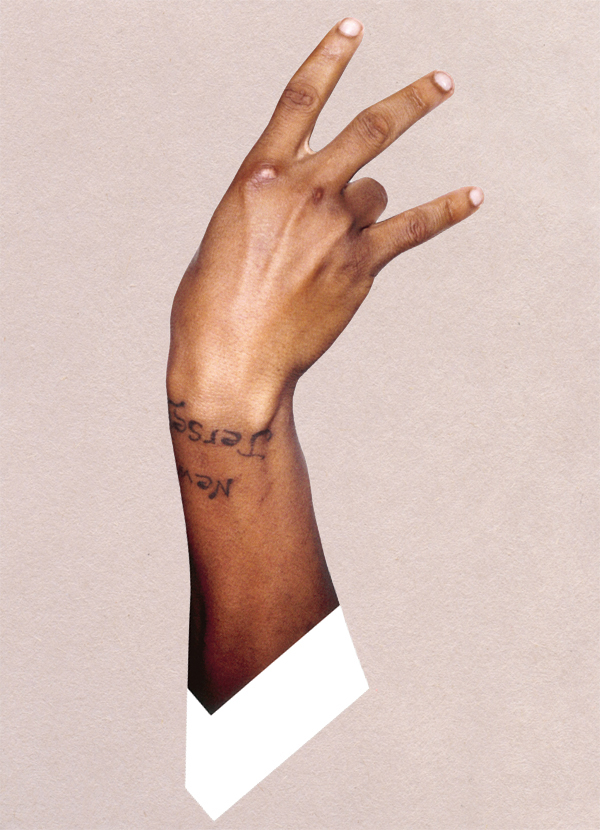
This is from the A
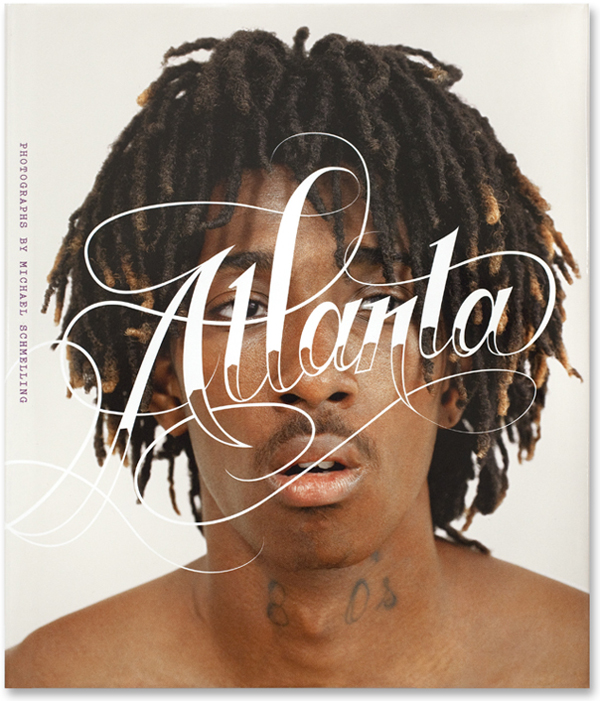
a photographic and editorial account of hip hop from the south. purports to mostly focus on grass-roots bedroom recordings, but touches on the scene all the way to interviews Andre 3000 and Ludacris, etc.
comes with a mixtape too, good shit.
looking forward to learning more about the south instead of just focusing on the eastside and stuff from the D
Saturday, January 8, 2011
Subscribe to:
Posts (Atom)